
Choosing Entryway Flooring That Can Handle Snow, Mud, and Salt
Winter in Asheville means your entryway sees snow, mud, road salt, and water on a daily basis. The right flooring in high-traffic areas makes winter so much easier. You're not constantly worrying about damage or spending every evening mopping up puddles.
Why Your Entryway Flooring Matters
Your entryway is the first line of defense against everything winter throws at you. Snow, mud, ice melt, wet dogs; it all comes through that door. And if your flooring can't handle it, you'll see the damage fast.
Here's what you need:
Something that won't stain or warp when it gets wet
A surface that's easy to clean (because you'll be cleaning it a lot)
Enough grip that nobody slips on wet floors
Something that still looks good after months of use
That's a tall order. But there are materials that can do it.

Photo courtesy of Florida Tile
Porcelain Tile: The Workhorse
Porcelain tile is our most recommended choice for entryways and mudrooms. It just works.
Water doesn't hurt it. You can mop it constantly without worrying about damage. It's tough enough to handle boots, furniture, and whatever else gets dragged through. Plus, if you choose a textured surface, you get built-in slip resistance.
The other nice thing? Porcelain tile can look like almost anything now. Want the look of wood without the maintenance? Done. Prefer stone? You can get that too. We have wood-look porcelain planks in our showroom right now that people constantly mistake for real hardwood.
One more benefit: you can add radiant floor heating underneath. Nothing beats warm floors on a cold morning!
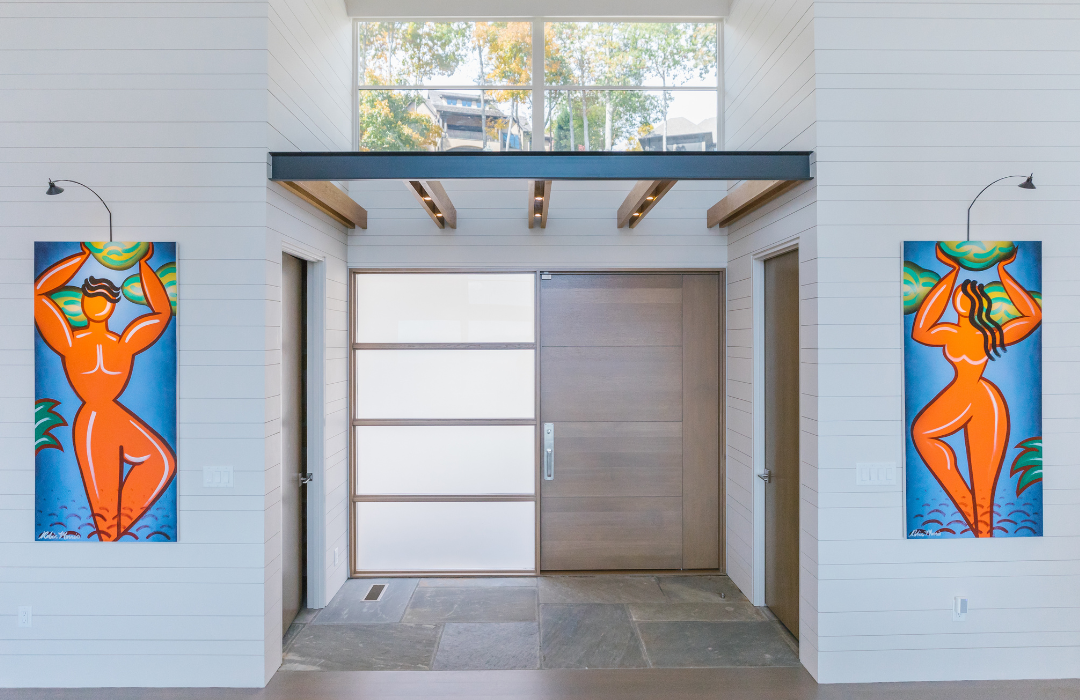
Natural Stone: For That Mountain Feel
If you want something that feels connected to the mountain landscape, natural stone is hard to beat.
Slate is popular for entryways because it's naturally slip-resistant and hides dirt well. The color variations mean you're not seeing every speck of mud.
Travertine has a warm, earthy look that works well in many homes.
Granite and quartzite are incredibly durable… practically indestructible.
One thing to consider is that natural stone needs to be sealed properly. If you do that, it'll last for decades. If you skip it, you might see staining or water damage over time. We can walk you through what maintenance looks like so you know what you're getting into.
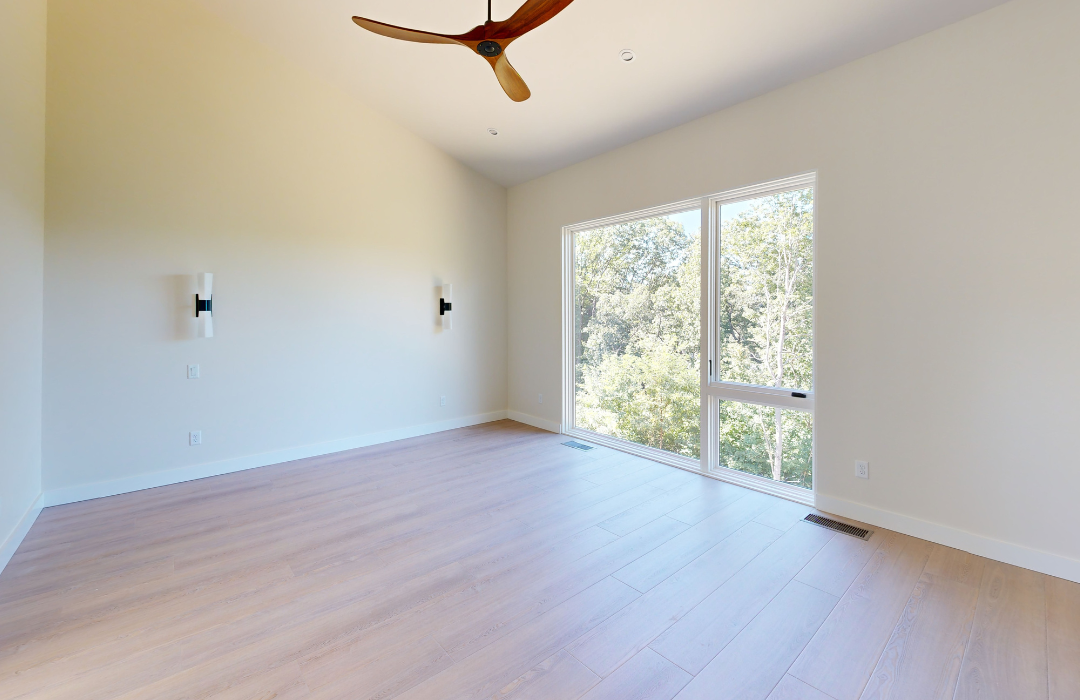
Luxury Vinyl Tile: The Budget-Friendly Option
Not everyone wants to spend a fortune on entryway flooring. Luxury vinyl tile (LVT) has come a long way.
It's waterproof, not just water-resistant. You can install it without adhesive in many cases, making replacement easier down the line. It's warmer underfoot than tile or stone. And it costs less; sometimes significantly less!
The quality of LVT varies widely, so you want to see it in person before buying. Stop by our showroom to touch and feel all our tile options before committing.
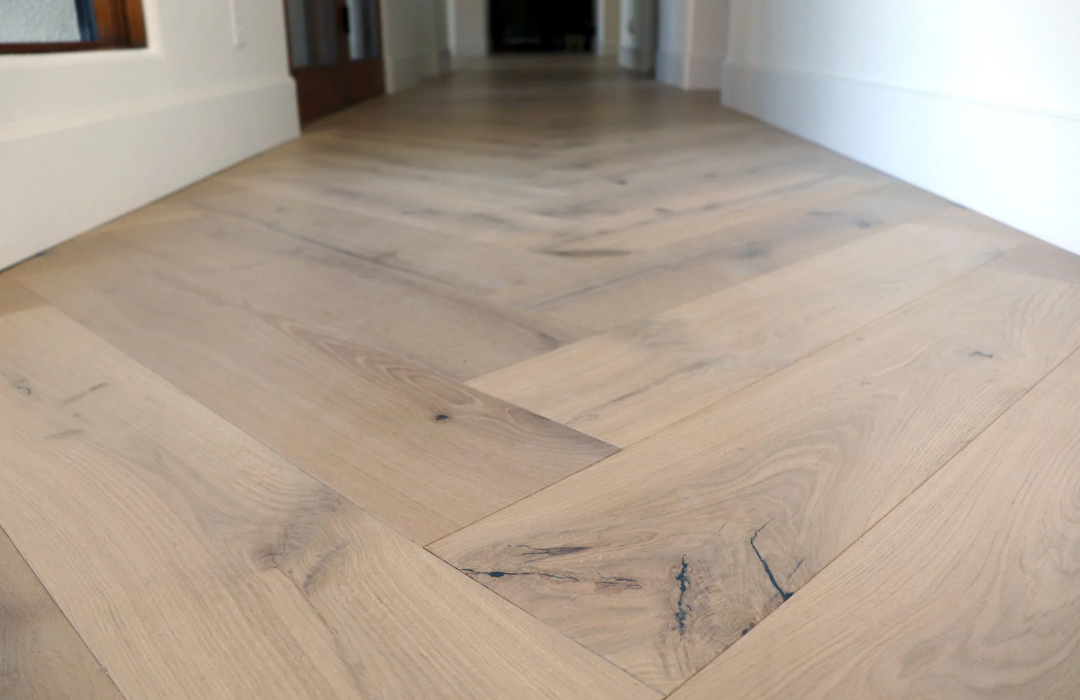
Photo courtesy of Allwood Hardwood & Bamboo Flooring
Engineered Hardwood: When It Flows Into Other Rooms
Sometimes your entryway opens directly into your main living space, and you want the flooring to match. Solid hardwood in an entryway is asking for trouble. But engineered hardwood can work.
Engineered wood is more stable than solid hardwood because of its construction. It handles humidity changes better. You can get it with commercial-grade finishes that stand up to more wear.
That said, it is still wood, so you'll want to use mats inside and outside the door, clean up water quickly, and know that it will show wear over time in a high-traffic area. It's a compromise, but sometimes it's the right one for the space.
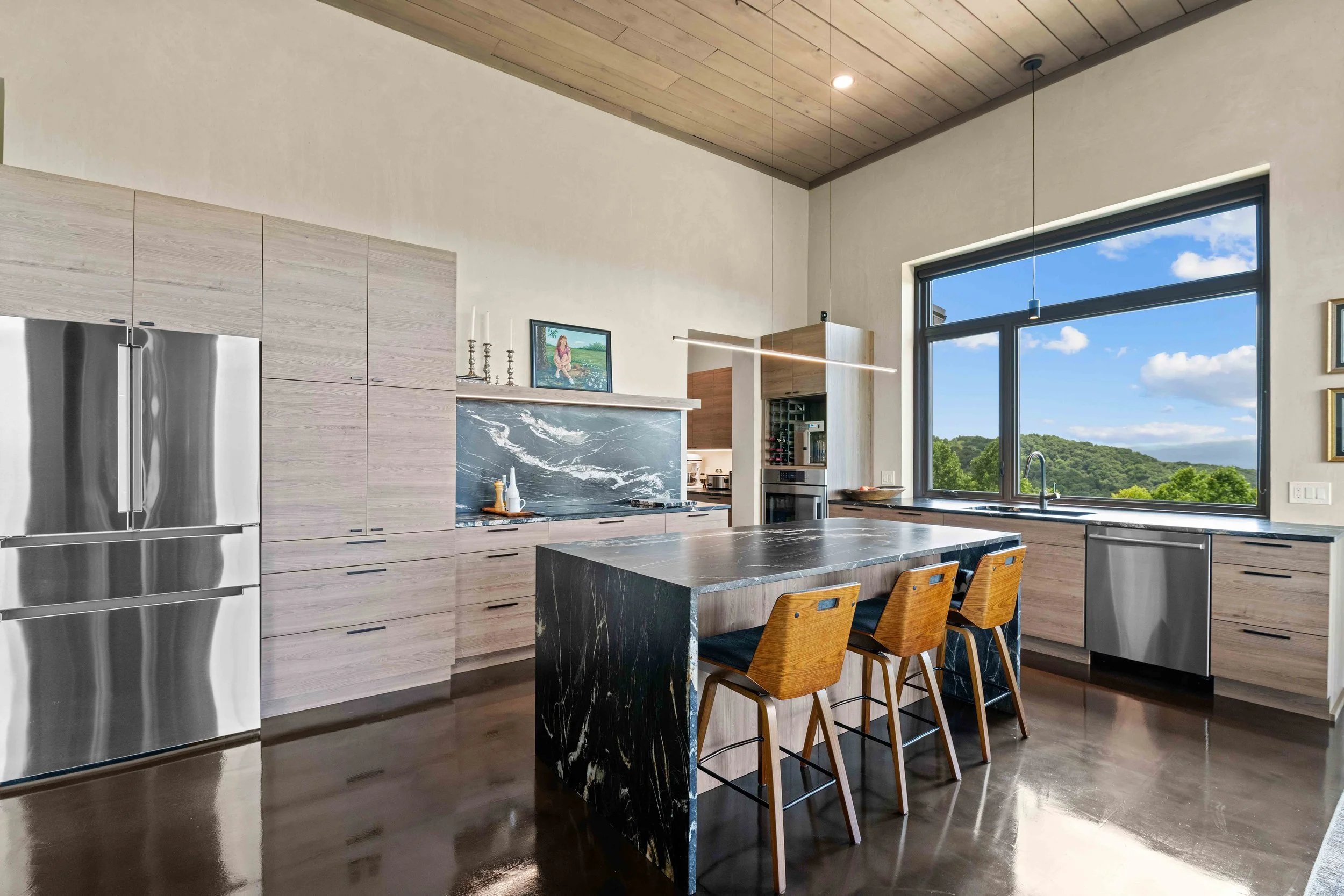
Concrete: The Modern Approach
Polished or stained concrete has become more popular in contemporary mountain homes. It's extremely durable, virtually maintenance-free, and you can add radiant heating underneath.
You can stamp, stain, or polish it to achieve different looks. It's a one-of-a-kind surface since no two concrete floors look exactly the same.
The downsides? It's cold without heating, it's hard (which is not great if you're standing for long periods), and it needs to be sealed regularly to prevent staining. But if you're going for a modern aesthetic, it's worth considering.
What About Heated Floors?
Radiant floor heating changes everything in an entryway.
Your floors dry faster after wet boots come in. The space stays comfortable even when you're opening the door constantly. And there's something really nice about stepping onto a warm floor on a freezing morning.
It works best under tile, stone, or concrete. You can add it under other materials, but the heat transfer isn't as efficient. If you're planning a remodel or new construction, it's easier to add during the initial installation.
Come See What Works for Your Space
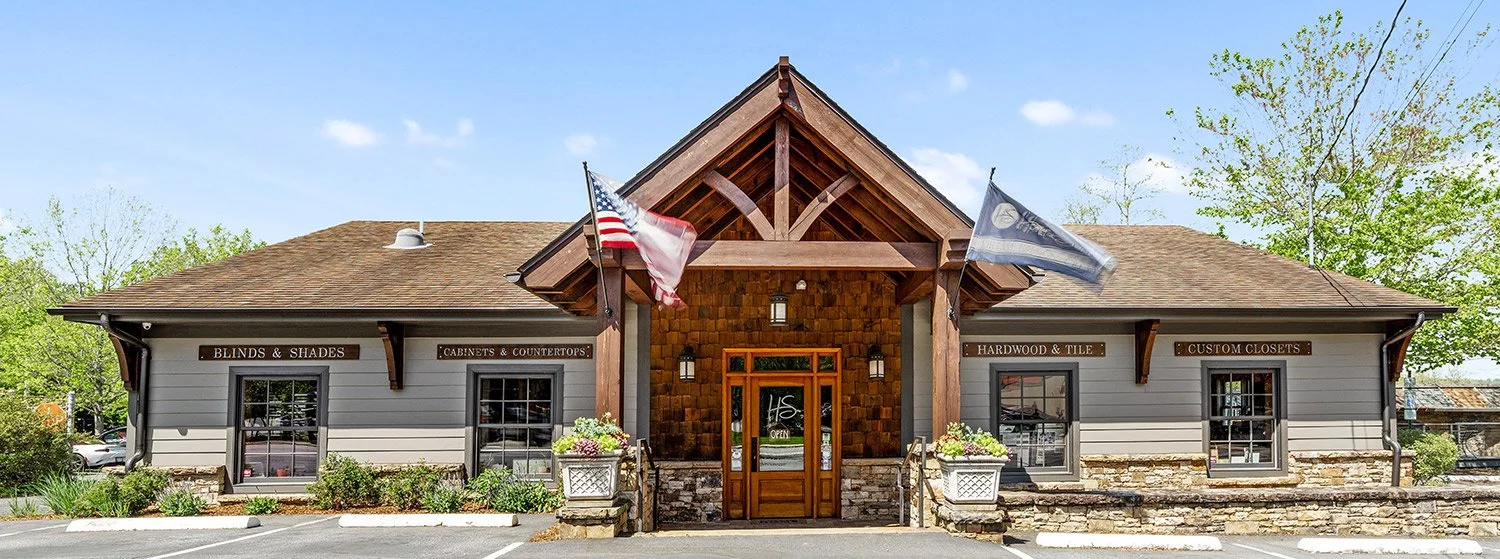
We have samples of all these materials in our showroom. You can see how they look, feel the texture, and understand what maintenance they need. Plus, our designers can help you figure out what makes sense for your specific situation, not just what's trending or what works in theory.
Call us at 828-252-1022 to schedule an appointment, and we'll help you find flooring that can handle whatever winter brings.
Let’s Talk!
Visit us and shop our extensive range of tiles, counters, cabinets, and more.